
As enterprises move beyond experimenting with AI agents, a new challenge is emerging: how to connect, collaborate, and scale these agents across systems.
Building intelligent agents is only part of the equation. The real complexity lies in enabling those agents to interact with tools, with each other, and within enterprise environments without breaking workflows.
This is where the choice of an AI agent protocol becomes critical.
Protocols like MCP (Model Context Protocol) and A2A (Agent2Agent Protocol) define how agent communication, orchestration, and interoperability function at scale. For organizations building toward a multi-agent system, this decision shapes performance, scalability, and control.
Why AI Agent Protocols Are Becoming Foundational
The rise of autonomous AI agents is accelerating across enterprise environments.
According to McKinsey, 62% of organizations are already experimenting with AI agents, reflecting how quickly businesses are moving toward agent-driven workflows.
As adoption increases, so does architectural complexity. Without a structured agent communication protocol, enterprises often encounter fragmented integrations, scaling challenges, and coordination gaps between agents.
This is where a well-defined AI agent protocol becomes essential, ensuring agents operate as part of a connected system rather than isolated components.
MCP vs A2A: Understanding the Core Difference
MCP and A2A address different layers within the AI agent protocol ecosystem, and understanding that distinction is key to designing scalable systems.
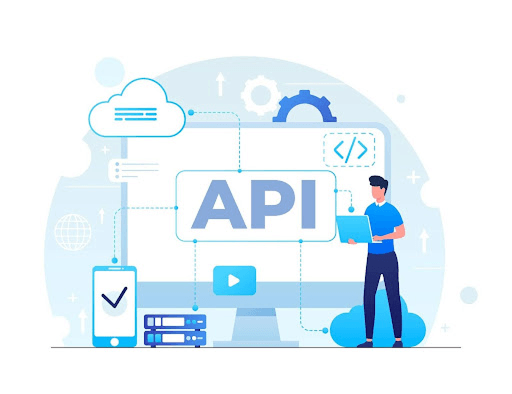
MCP (Model Context Protocol): Connecting Agents to Systems
MCP standardizes how agents interact with enterprise tools like APIs, databases, and internal systems. It acts as the interface between agents and the environments they operate in.
With MCP, enterprises can:
- Enable structured access to tools
- Ensure consistent data exchange
- Maintain secure execution across workflows
This allows autonomous AI agents to operate reliably within enterprise systems without requiring custom integrations for every interaction.
A2A (Agent2Agent Protocol): Enabling Agent Collaboration
The Agent2Agent protocol focuses on how agents interact with each other.
As organizations build a multi-agent system, coordination becomes a central requirement. Different agents handle different responsibilities: analysis, decision-making, execution, and must work in sync.
A2A enables:
- Real-time agent communication
- Task delegation between agents
- Workflow coordination across multiple agents
This layer allows enterprises to scale beyond isolated automation into coordinated, multi-agent operations.
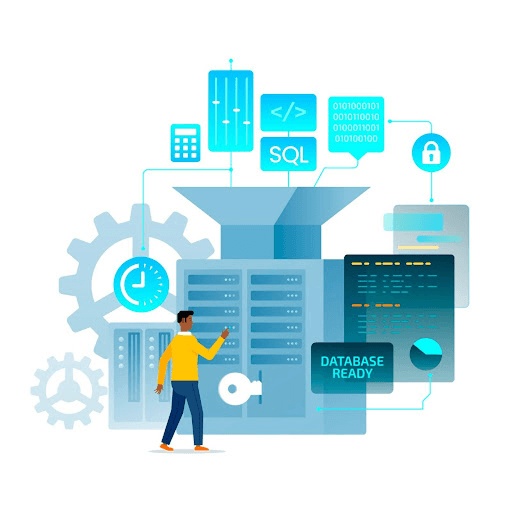
MCP vs A2A: Where Each Fits in Enterprise Architecture
Choosing between MCP and A2A depends on how your systems are structured and what level of coordination is required.
MCP is most relevant when:
- Agents need access to enterprise tools and data
- Systems require standardized integrations
- Workflow execution depends on consistent data exchange
A2A is most relevant when:
- You are building a multi-agent system
- Processes require coordination across agents
- Workflows involve distributed decision-making
In most enterprise environments, both layers of the AI agent protocol are required.
MCP enables interaction with systems, and A2A enables interaction between agents.
The Real Shift: From Individual Agents to Coordinated Systems
Enterprise AI is moving toward interconnected agent ecosystems. Research indicates that multi-agent system architectures are expected to grow rapidly over the next few years, driven by the need for collaborative AI systems.
As this shift continues, the focus moves toward enabling agents to operate collectively within workflows.
The combination of MCP and A2A supports this transition:
- MCP ensures agents can function within enterprise environments
- A2A ensures agents can coordinate actions effectively
Together, they form a scalable foundation for an enterprise-grade AI agent protocol.
Challenges Enterprises Must Address
Implementing an effective AI agent protocol requires more than selecting the right technology.
Key considerations include:
- Maintaining interoperability across tools and agents
- Securing agent communication across workflows
- Avoiding fragmentation across multiple protocols
- Defining boundaries for autonomous decision-making
Without a clear strategy, enterprises risk building systems that scale in complexity but not in effectiveness.
Where AI Agent Protocols Fit in the Bigger System
As enterprises mature in their AI adoption, protocols are becoming a core part of the architecture.
The focus is shifting toward:
- Standardized agent communication protocols
- Interoperable agent ecosystems
- Coordinated execution across autonomous AI agents
This evolution positions the AI agent protocol as a foundational layer that enables systems to operate cohesively rather than independently.
Conclusion
MCP and A2A serve distinct roles within enterprise AI systems. MCP enables structured interaction between agents and enterprise tools, and A2A enables coordination between agents across workflows.
Enterprises that align both within their architecture will be better equipped to scale AI systems effectively. The long-term advantage lies in building systems where agents operate as part of a connected ecosystem, supported by a well-defined AI agent protocol.
FAQs
1. What is an AI agent protocol?
An AI agent protocol defines how AI agents interact with systems, tools, and other agents to perform tasks and coordinate workflows.
2. What is the difference between MCP and A2A?
MCP enables integration with tools and systems, while the Agent2Agent protocol supports communication and coordination between multiple agents.
3. Why is agent communication important in AI systems?
Effective agent communication ensures coordination, reduces errors, and enables scalable multi-agent workflows.
4. What is a multi-agent system?
A multi-agent system consists of multiple AI agents working together, each handling specific responsibilities while coordinating through an agent communication protocol.
5. Can enterprises adopt an AI agent protocol without building a full multi-agent system?
Yes. Enterprises can start with a single use case and expand gradually into a multi-agent system as needs grow.
How Can [x]cube LABS Help?
At [x]cube LABS, we craft intelligent AI agents that seamlessly integrate with your systems, enhancing efficiency and innovation:
- Intelligent Virtual Assistants: Deploy AI-driven chatbots and voice assistants for 24/7 personalized customer support, streamlining service and reducing call center volume.
- RPA Agents for Process Automation: Automate repetitive tasks like invoicing and compliance checks, minimizing errors and boosting operational efficiency.
- Predictive Analytics & Decision-Making Agents: Utilize machine learning to forecast demand, optimize inventory, and provide real-time strategic insights.
- Supply Chain & Logistics Multi-Agent Systems: Enhance supply chain efficiency by leveraging autonomous agents that manage inventory and dynamically adapt logistics operations.
- Autonomous Cybersecurity Agents: Enhance security by autonomously detecting anomalies, responding to threats, and enforcing policies in real-time.
- Generative AI & Content Creation Agents: Accelerate content production with AI-generated descriptions, visuals, and code, ensuring brand consistency and scalability.
Integrate our Agentic AI solutions to automate tasks, derive actionable insights, and deliver superior customer experiences effortlessly within your existing workflows.
For more information and to schedule a FREE demo, check out all our ready-to-deploy agents here.